
Your Inventory Is Tying Up Cash. Free It — and Carry What a Chain Can't.
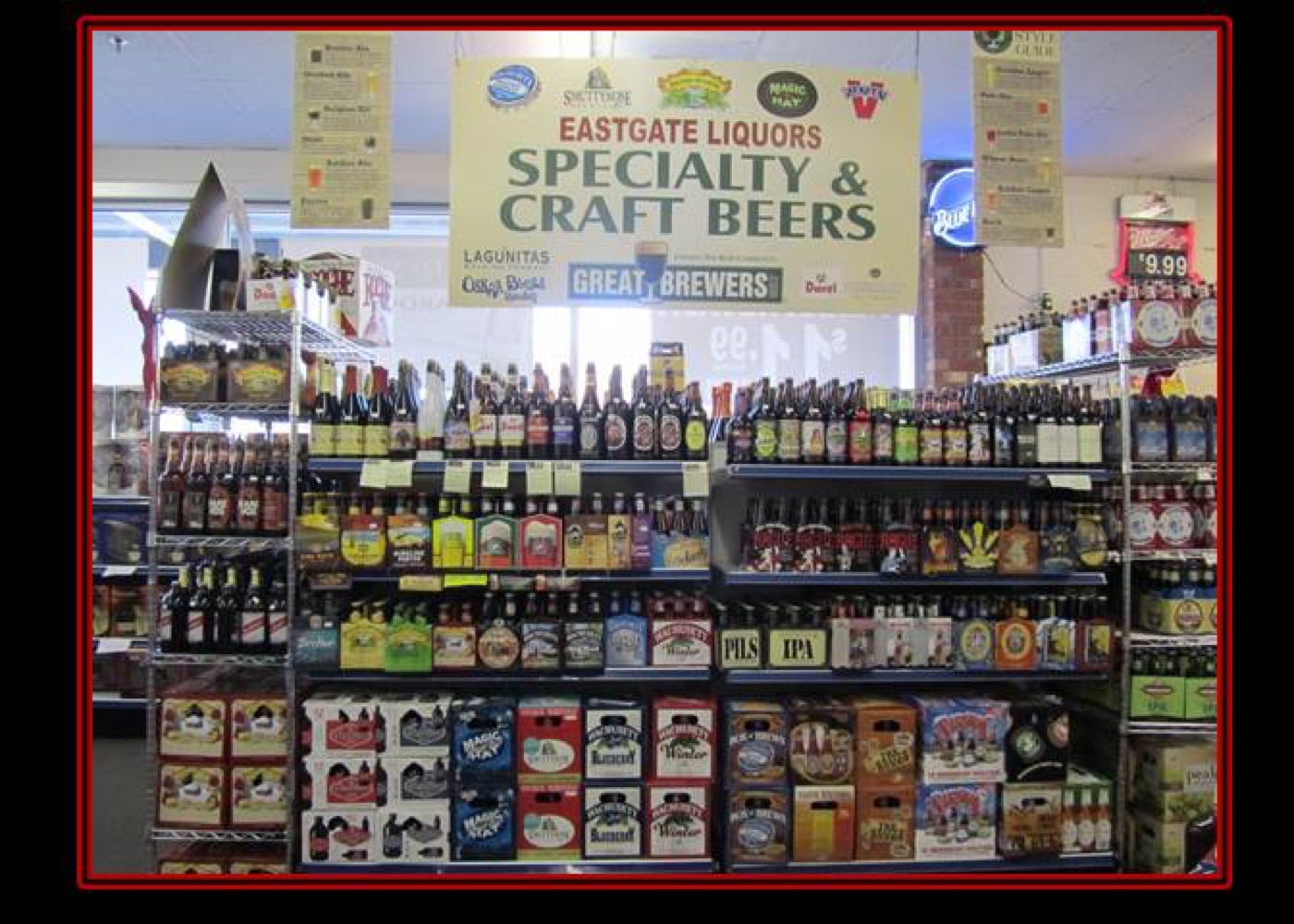
The cost of goods has climbed, and it’s quietly changed the math of running a store. Every dollar sitting on the shelf as unsold inventory is a dollar that isn’t going toward the things that grow a business. Industry analysts are calling it what it is: inventory has become a capital trap — cash you already spent, waiting on a shelf to maybe come back.
The good news for an independent: springing that trap isn’t a new piece of technology. It’s what a real back office already does. The strategies experts are handing to chains break down into four moves — and a store with one connected system does all four without a project plan.
The four moves — and the tools that make them
- Streamline what you carry. Manage your SKU count and days-on-hand so you’re not sitting on stock that doesn’t turn. Sales-based purchase advice orders from what actually sold — not a guess, not a rep’s suggestion — so you reorder the movers and stop deep-stocking the dead weight. That’s cash back off the shelf.
- Sharpen the assortment. Stay on trend and focus on the products that are yours to win. A merchandise hierarchy (wine by region and varietal, tobacco by segment, and so on) plus movement reporting tells you what’s earning its space and what to cut.
- Merchandise for the basket. Sell more per trip by understanding what sells together. Basket and category reporting surfaces the adjacencies — the second item the first one pulls — so a busy aisle also becomes a profitable one.
- Make the promotions pay. Drive traffic and capture every dollar of manufacturer funding you’re owed. Pricer keeps your buydowns and allowances exact as the deals change, so a promotion actually earns instead of quietly costing you.
Three of those run on tools that ship today; the fourth pairs live Pricer with store-run promotions we’re building.
“Don’t be a copycat” is a strategy for chains — and a birthright for you
The sharpest advice in that expert playbook is this: don’t be a copycat — build a distinctive assortment. For a chain, that’s a hard, expensive strategy fighting a planogram from headquarters. For an independent, it’s the whole advantage. You can carry the local, the curated, the odd-but-loved bottle the chain down the road never will — and that’s exactly why a certain customer drives past three other stores to shop yours.
What most operators lack isn’t the instinct — it’s the data to do it deliberately instead of by gut. One connected system gives you that: real movement, real margin, a real merchandise hierarchy. Run it leaner to free the cash, then spend that cash on the distinctive assortment that brings customers back. That’s Run It funding Grow It, right on the shelf.
A word on “POS data has blind spots”
You’ll hear a pitch that says your POS only tells you what sold — not what a shopper saw, ignored, or almost bought — and that you need cameras and behavior analytics to see the rest. Two honest things about that.
First, that gap is real for a chain, which only knows a shopper as a receipt. You already see your shoppers — you’re standing right there. The relationship a chain has to buy a camera system to fake, you have for free.
Second, we’re not going to sell you surveillance. What we give you is the owned, structured first-party data to act on what you already see — what’s moving, what’s stalled, what each item actually earns, what your regulars keep coming back for. The shelf gets aligned to how your shoppers actually decide because you know them and have the numbers — not because a camera watched them.
The takeaway
Rising costs turned your shelf into a place cash goes to sit. A connected back office turns it back into a place cash gets made — leaner on the dead stock, deeper on the distinctive product only you carry. That’s how an independent widens margin and gives customers a reason to choose the store, at the same time.
See the back office that runs it → insightpos.io/cloud/ · Everything, including pricing, is on the site — no demo required. Questions? Call (518) 633-4111.